How Charity Bingo Works and Where the Money Goes
Updated Jul 2026 · 6 min read
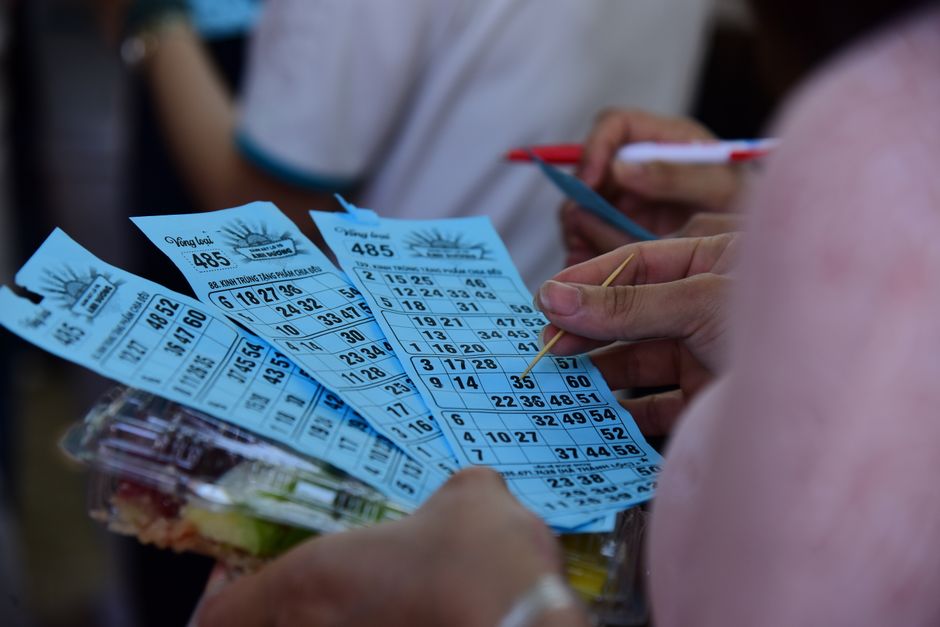
The game that raises money for a cause
Walk into a bingo hall on a busy night and it can feel like pure entertainment: cards spread across the table, a caller reading numbers, a room that goes quiet at the exact moment someone is one square away from a win. What is easy to miss is that a lot of those rooms exist to raise money for something. A large share of the halls you can visit in person are run by or on behalf of a nonprofit. A veterans post, a church, a volunteer fire company, a booster club, or a fraternal lodge sits behind the game, and the night is one of the ways it funds its work.
If you have ever wondered where your card money goes after the last number is called, here is how charity bingo actually works.
Why so many games are tied to nonprofits
Bingo has been a fundraising tool for a long time. Community groups leaned on it because it is cheap to set up, easy for volunteers to run, and popular with the neighbors they already know. That history still shapes what you find today. Browse the listings in this directory and you will see names that give the sponsor away: American Legion and other veterans posts, church-run games, and clubs whose main purpose has nothing to do with gambling. Those games raise money the same way a bake sale or a raffle does, just on a schedule and with a bigger, steadier crowd.
That is the difference between a charity game and a purely commercial one. In a charity setting, the profit is not the reward for an owner. It is the reason the doors open at all.
How the money moves through the night
The basic flow is simple. Players buy cards. Winners take home prizes. Whatever is left after prizes and the cost of running the session goes to the sponsoring group.
Running a session is not free, though, and understanding the costs makes it clearer where a smaller cause ends up. A game has to cover:
- The hall or the rent on the space
- Paper cards or the electronic machines some halls now use
- Daubers, pull-tab tickets, and other supplies
- Licenses and fees required to operate
- A snack bar or kitchen, when the hall runs one
Labor is often the quiet difference maker. Many charity games are staffed by volunteers who sell cards, call numbers, and clean up after everyone leaves. Because members donate that time, more of the money stays with the cause instead of going to wages. When you play at a game run entirely by its own members, a bigger portion of your card price tends to reach the mission behind it.
The rules that keep it honest
Charity bingo is regulated, and that oversight works in a player's favor. In most places the sponsoring group has to hold a license, keep records of what came in and what was paid out, and report where the proceeds went. The point is to make sure the game is fair and the money is accounted for rather than quietly pocketed.
The details are not the same everywhere. Rules are set at the state level and sometimes tightened further by a county or city, so a game one town over can run under conditions different from the one down the road. Limits on prize sizes, how often a group can hold a session, and what a nonprofit must do with its earnings all vary by place. If you want to know how your local hall is governed, the state charitable gaming or lottery office is the authority to check. That is a more reliable answer than a flyer or a friend's guess.
Where the proceeds usually end up
Once a game clears its costs and pays its winners, the remaining money goes back into whatever the sponsor exists to do. That can look like a lot of different things depending on who is running the room:
- A veterans post funding assistance for members and their families
- A church supporting its programs and outreach
- A youth sports league covering uniforms, fields, and travel
- A volunteer fire company paying for equipment
- A service club backing scholarships or local relief
None of this is guaranteed to be visible from your seat, which is exactly why the reporting requirements exist. A well-run charity hall is usually happy to tell you who benefits, and many post it near the door or mention it during the session. If you care about the cause, it is a fair question to ask before you sit down.
What it means for you as a player
Knowing the money supports a cause does not change how you play, but it can change how you feel about the night. A few things are worth keeping in mind.
Your spending is still spending. Charity bingo is a fun way to give a little back, but the prizes are real and the odds are the same math as any other game of chance. Set a budget you are comfortable losing and treat anything you win as a bonus. The cause benefits whether or not you leave with a prize.
The atmosphere often reflects the sponsor. Games run by a church or a seniors' club tend to be calmer and friendlier, with regulars who know each other by name. That community feel is part of what keeps these games going, and newcomers are usually welcomed rather than sized up.
Asking questions is normal. Regulars love to explain how their hall works, which sessions have the biggest crowds, and what the money supports. You are not intruding by asking.
How to spot a charity game before you go
You can often tell what kind of hall you are dealing with before you ever walk in. The sponsor is frequently right there in the name, whether it is a post number, a church, or a club. Listings that mention charitable bingo, a benefiting organization, or free admission are strong hints that a nonprofit is behind the game. Commercial gaming centers, by contrast, tend to read more like a business, with branding built around the games themselves rather than a cause.
When you are choosing a hall from this directory, the description is your best early clue. A little reading tells you whether a night out will also be a small act of local support, and for a lot of players, that is reason enough to pick one room over another.